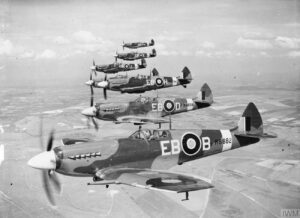
Why You Don’t Start in a Spitfire?
How WWII Fighter Pilots Really Learned to Fly
The Spitfire is one of the most famous aircraft in history. It is fast, iconic, and inseparably linked with the Battle of Britain.
But there is an important truth often overlooked:
No pilot ever started their flying career in a Spitfire.
This page explains why WWII fighter pilots were trained in aircraft like the Harvard first, and why flying a warbird trainer today offers a more authentic and meaningful introduction to historic military aviation.
The Spitfire Was Built to Fight — Not to Teach
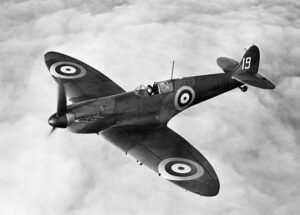
The Spitfire was designed for one purpose: combat.
It was not forgiving, not gentle, and not intended for beginners. High performance fighters magnified mistakes, and the margin for error was small.
That is why pilots were never taught to fly in a Spitfire from day one.
They had to earn the right.
 How WWII Pilots Actually Trained
During the Second World War, pilot training followed a clear progression:
Elementary flying training
Service flying training
Advanced training in aircraft like the Harvard
Conversion to frontline fighters such as the Spitfire, Only pilots who demonstrated discipline, coordination and judgement progressed. Training aircraft were deliberately challenging — because combat aircraft were unforgiving.
The Aircraft That Came Before the Spitfire
The North American T-6 Harvard was one of the most important advanced trainers of the Second World War.
It introduced pilots to:
-
Higher landing speeds
-
Heavier control forces
-
Complex engine management
-
Military flying discipline
If a pilot could not fly the Harvard well, they would never be trusted with a Spitfire.
This is why so many wartime pilots later said the Harvard was harder to master than the fighter itself.
 Why Training Aircraft Matter More Than Fighters
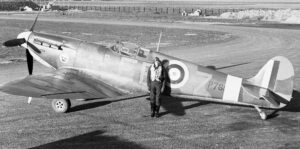
Fighter aircraft capture attention — but training aircraft create pilots.
The purpose of advanced training was not excitement or spectacle. It was to ensure that when a pilot eventually climbed into a fighter, the aircraft itself was no longer the challenge.
The challenge was combat.
That is why training aircraft sit at the heart of authentic warbird flying.
Flying a Trainer Today Is the Authentic Experience
Flying a warbird trainer today offers something Spitfire experiences cannot:
-
Time on the controls
-
Calm, structured instruction
-
Understanding how pilots learned
-
A genuine connection to wartime training
Rather than being a passenger in history, you become part of the process that created wartime fighter pilots.
 Why This Matters for First-Time Flyers
For first-time warbird flyers, starting in a trainer is not a compromise — it is the correct historical experience.
It allows you to:
-
Learn how the aircraft feels
-
Build confidence naturally
-
Understand WWII flying properly
-
Experience aviation history from the inside
This is exactly how pilots began during the war.
Spitfire Flying vs Warbird Training — A Key Difference
Spitfire flights are about witnessing history.
Warbird training flights are about experiencing how history was made.
Both have their place — but they are not the same thing.
For those who want authenticity, understanding and hands-on flying, the training aircraft is where the story truly begins.
Which Experience Reflects Real WWII Training?
If you want to experience flying as WWII pilots actually did, these experiences follow that authentic path:
-
Warbird Flying Lesson UK – a structured flying lesson focused on control and handling
-
Vintage Warbird Experience – a broader introduction to historic military flying
Both are flown in genuine training aircraft and delivered with the same discipline and respect that wartime instructors demanded.
The Right Place to Begin
Every Spitfire pilot once sat in a trainer for the first time.
They learned precision before speed.
Discipline before excitement.
Training before combat.
Flying a warbird trainer today allows you to step into that moment — the point where every fighter pilot’s journey truly began.